Journal of International Law, Politics and Society


Blog
Commentary, analysis, and updates from our contributors

Soft Constitutionalism and Algorithmic Statehood: How India’s AI Governance Guidelines (2025) Institutionalise Executive Power Beyond Legislative Authorisation
The Government of India has come up with AI Governance Guidelines (2025) as non-binding policy guidance. This paper proposes to give them more than advisory significance and to make them increasingly significant in the institutional conduct of institutions and in their governance. It analyses the constitutional implications of this change and the issues it raises […]
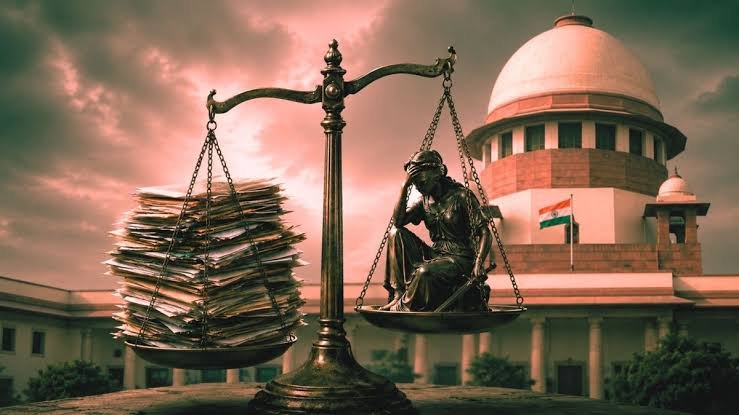
No Double Counting, No Early Remission: Supreme Court on Abu Salem’s Plea
CASE COMMENT Citation: Abu Salem Abdul Qayoom Ansari vs State of Maharashtra & Ors., Supreme Court of India, Decided on 10th September 2026, Coram: Justice Vikram Nath & Justice Sandeep Mehta 1. Facts The petitioner was extradited from Portugal on 11.11.2005 pursuant to a sovereign assurance dated 17.12.2002 that he would not be awarded the death […]

AI-Generated Art and Copyright in India: Who Owns the Machine’s Creation?
Introduction Artificial Intelligence is now more than just a means of analysing data; it is creating paintings, music, and literature. Tools like Midjourney and DALL-E allow anyone to generate art within seconds. This raises a fundamental legal question in India: can AI-generated art be copyrighted? And if so, who will be recognised as the author […]
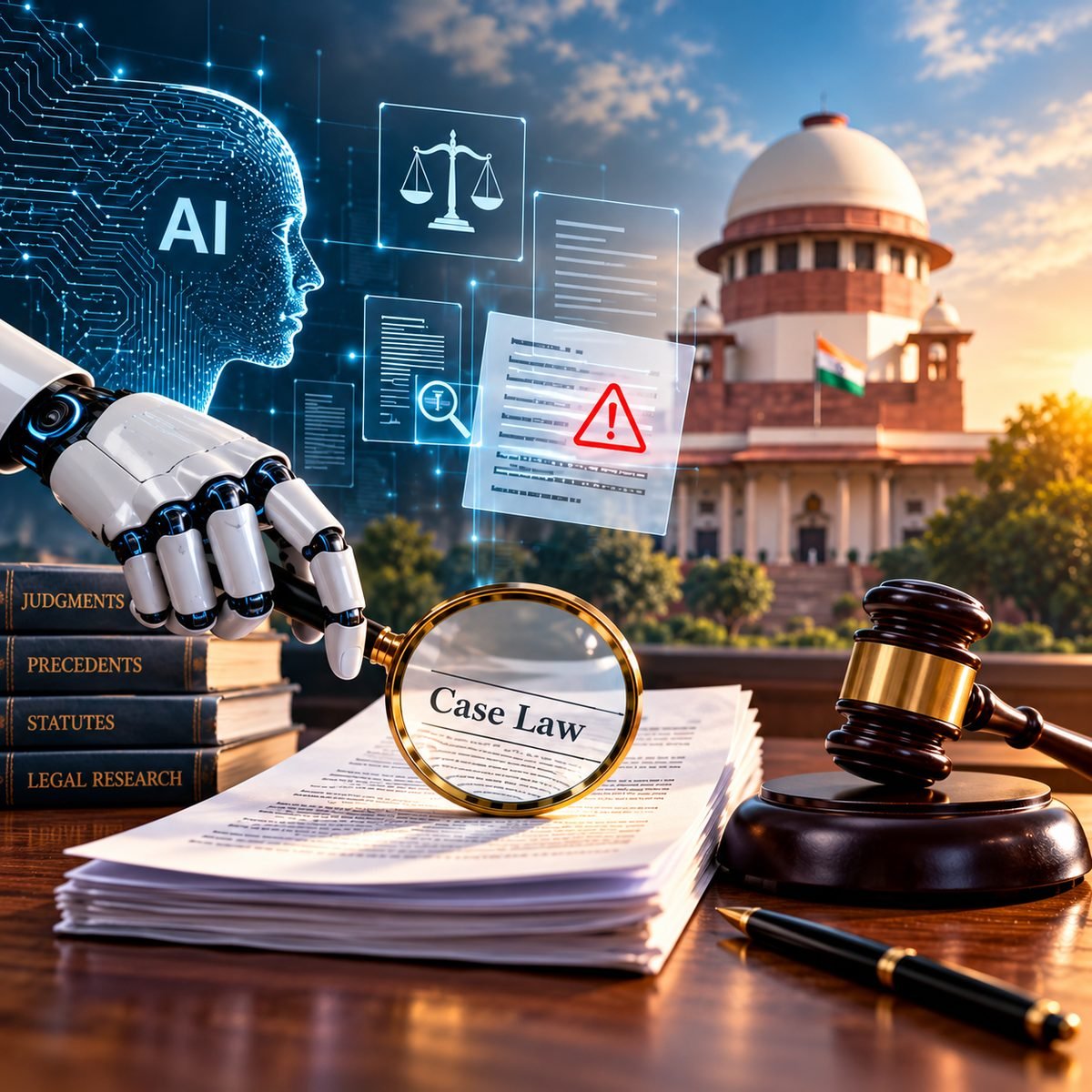
The Citation That Never Existed: AI, Courts and the Human Duty to Verify
Artificial intelligence has entered legal practice quietly. Lawyers use it to locate authorities, summarise pleadings, compare statutes and prepare first drafts. Courts, too, are examining how AI can assist research and case management. The difficult question is no longer whether AI will enter the justice system. It already has. The question is what happens when […]
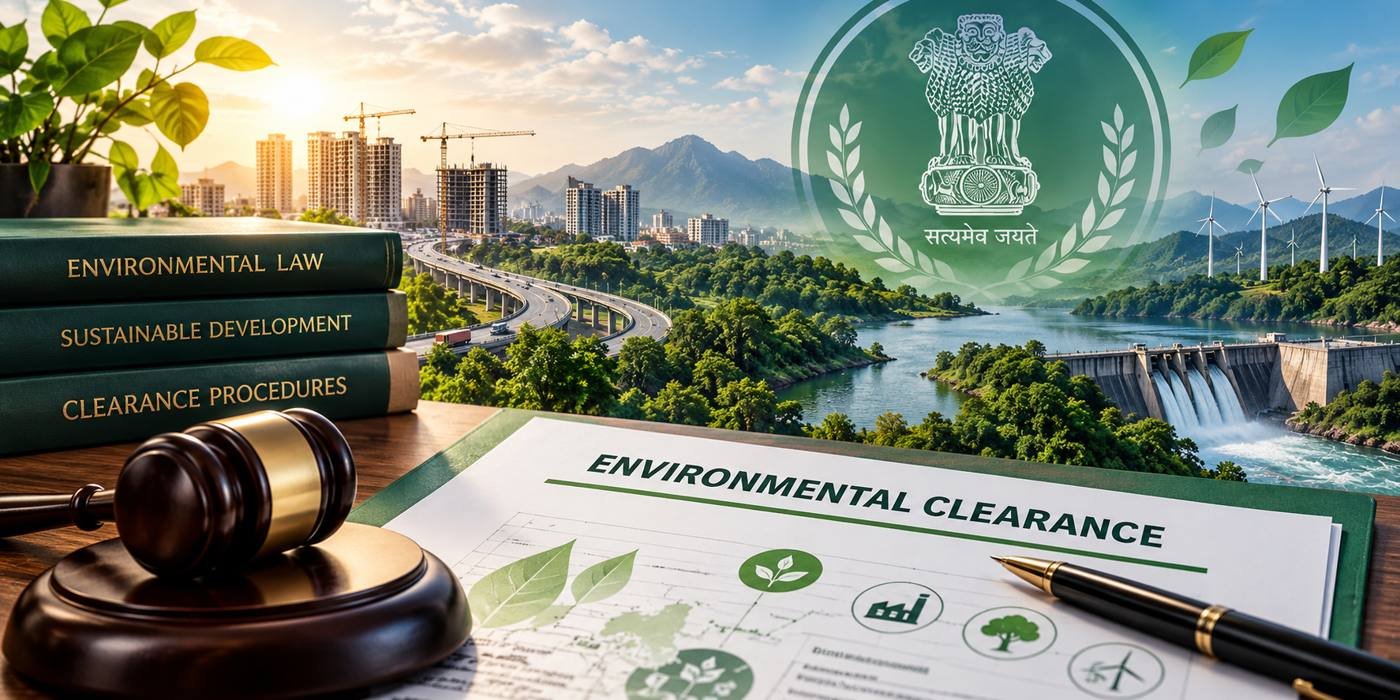
Keeping the Exception Exceptional: Statutory Post-Facto Clearance After Vanashakti
I. Introduction In Common Cause v. Union of India and Alembic Pharmaceuticals Ltd. v. Rohit Prajapati, the Supreme Court held that the grant of post-facto clearance is essentially in conflict with the preventive approach. But, in Vanashakti v. Union of India, 2026 INSC 761, this position is qualified. The Court ruled that the open-ended regularisation […]
 Technology, Law & Digital Society
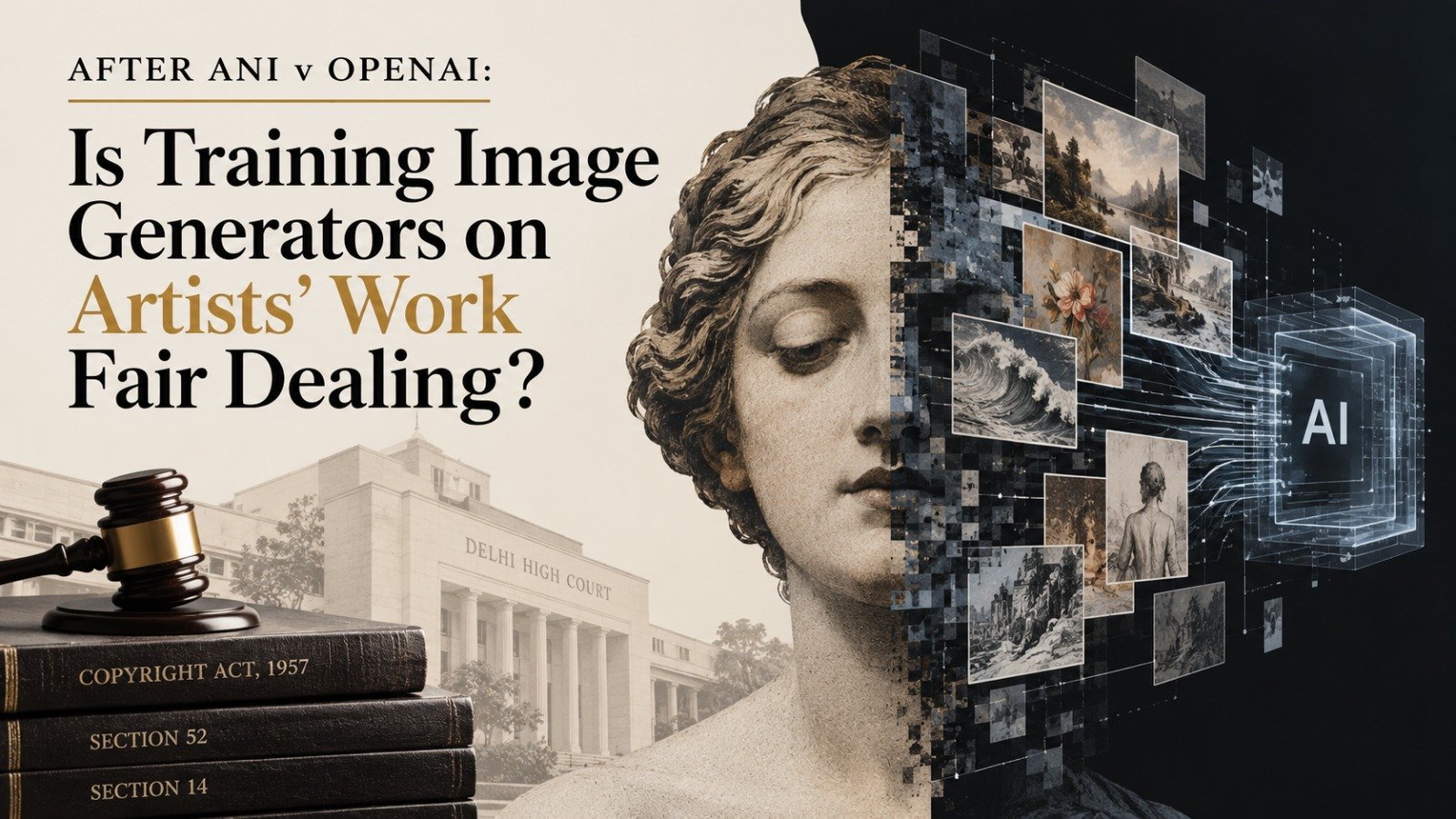
After ANI v OpenAI: Is Training Image Generators on Artists’ Work Fair Dealing?
Introduction On 24 July 2026, the Delhi High Court refused ANI an interim injunction against OpenAI, holding prima facie that storing ANI’s news content to train ChatGPT falls within the fair dealing exception in Section 52(1)(a) of the Copyright Act, 1957 (judgment). Read broadly, the order looks like clearance for AI developers to train on […]
 Constitutional & Public Law
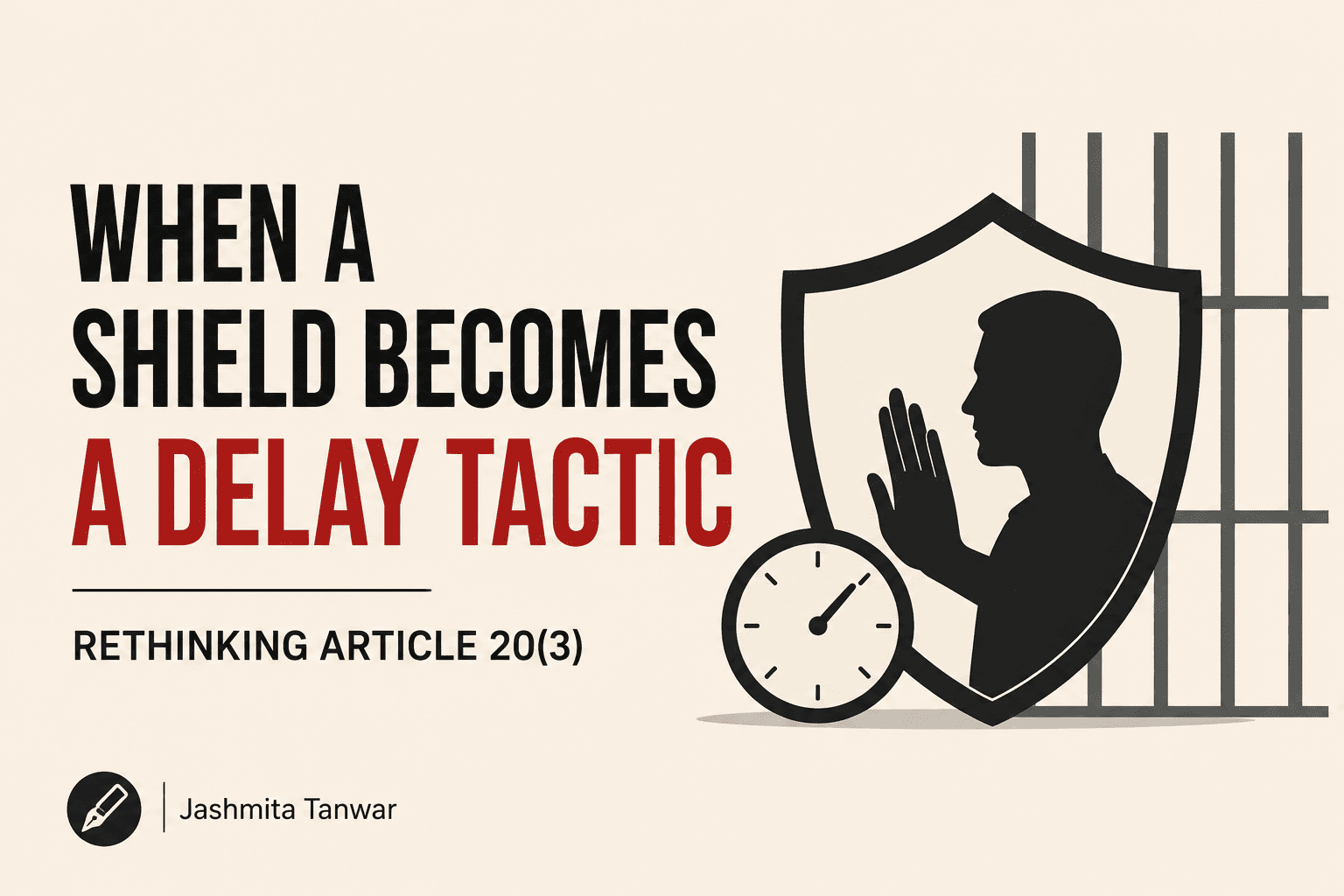
When a Shield Becomes a Delay Tactic: Rethinking Article 20(3)
Introduction Article 20(3) of the Constitution exists for a simple reason: no one should be tortured or coerced into convicting themselves. But a right built to protect the vulnerable is increasingly being used by a different category of person altogether the habitual offender who knows the system well enough to weaponise it. Familiar with procedure […]
 Business, Trade & Economic Law
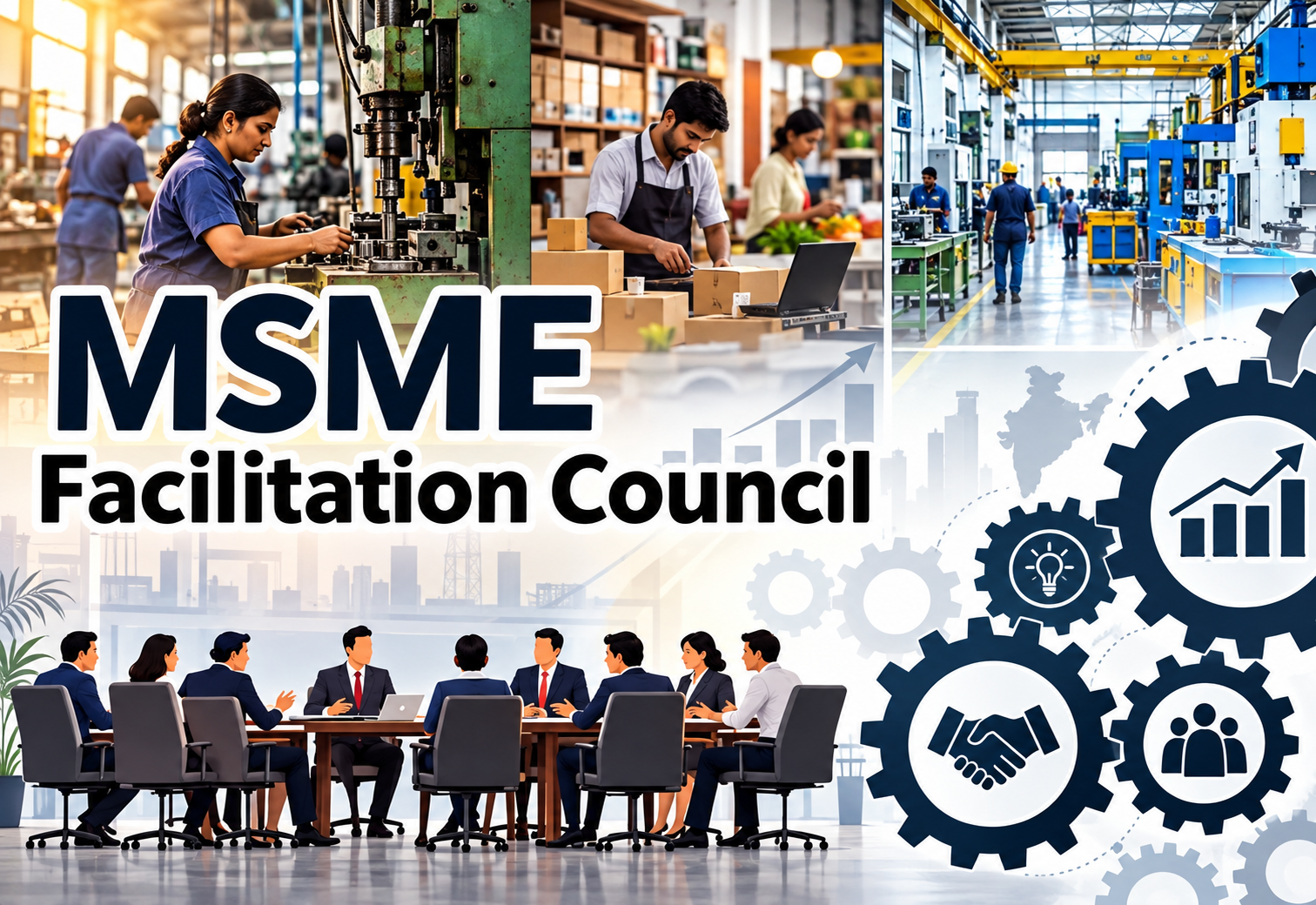
Alternative Dispute Resolution for MSMEs: Role of the Facilitation Council
Micro, Small, and Medium Enterprises (MSMEs) are an important part of India’s economy, whether measured in terms of their contribution in the country’s employment, production or economic situation. The Micro, Small And Medium Enterprises Development Act, 2006 serves as the primary legislation for their governance. Its importance in the domain of Alternative Dispute Resolution (ADR) […]
 International Law & Global Governance
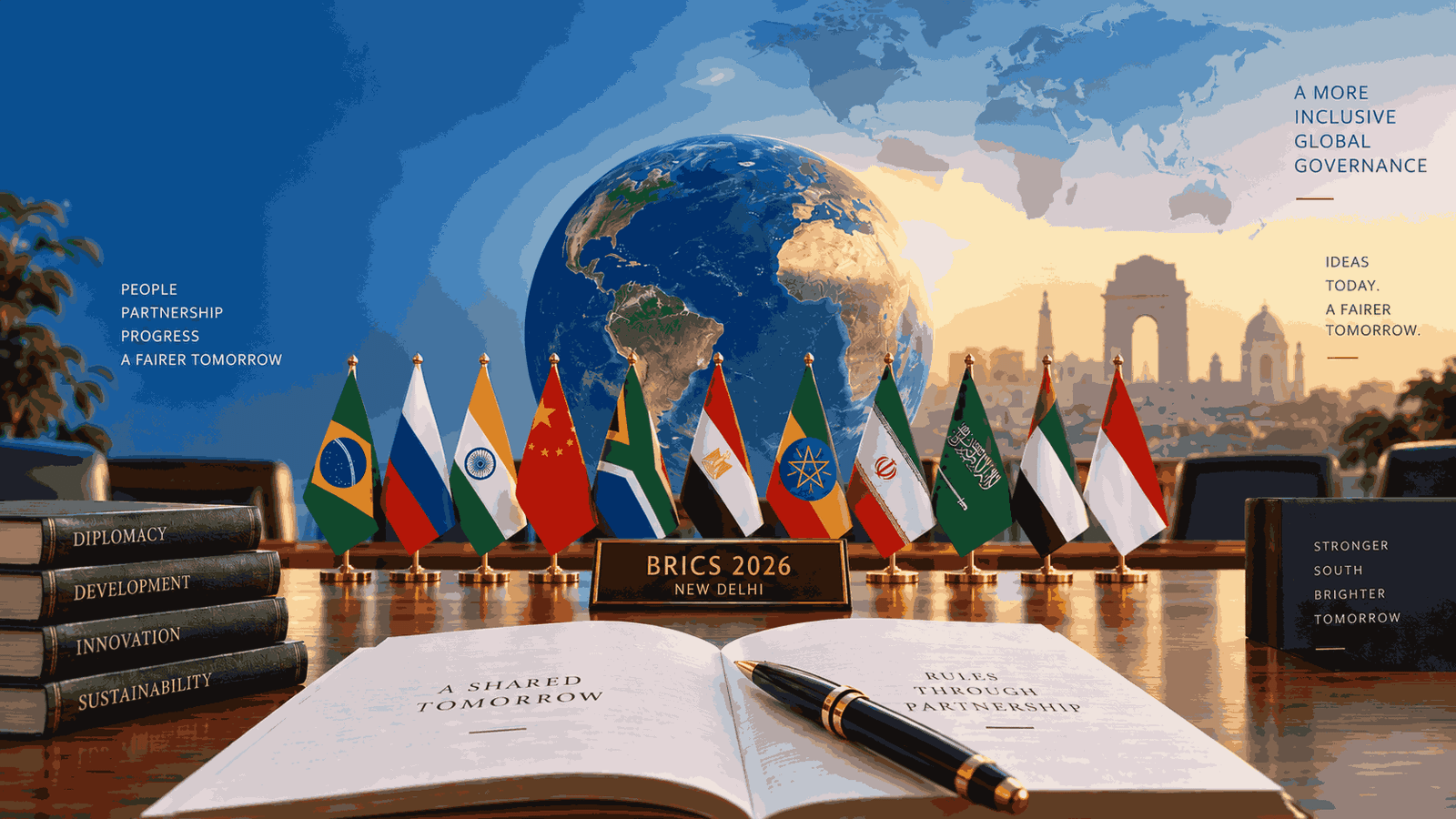
From Rule-Takers to Rule-Shapers: BRICS 2026 and the Global South’s Struggle for Rule-Making Power
Introduction For decades, much of the developing world has occupied an uncomfortable position in international governance. It has had a seat at the table, but not always an equal hand in writing the rules. The distinction matters. Countries of the Global South have participated in the United Nations, the World Trade Organization, the International Monetary […]