Journal of International Law, Politics and Society

Blog
Commentary, analysis, and updates from our contributors
Recently Published
AI and the Future of Legal Researcph: Efficiency, Ethics and Human Judgment”
October 12, 2026Digital Shadows: Bridging India’s Regulatory Gaps through a Three-Tier Liability Framework
October 8, 2026Governing Artificial Intelligence in the Age of Global Fragmentation: Can the United Nations Build a Human-Rights-Based Global AI Framework?
October 7, 2026The weaponization of the seabed: Why UNCLOS fails to protect subsea data cables in modern hybrid warfare
October 5, 2026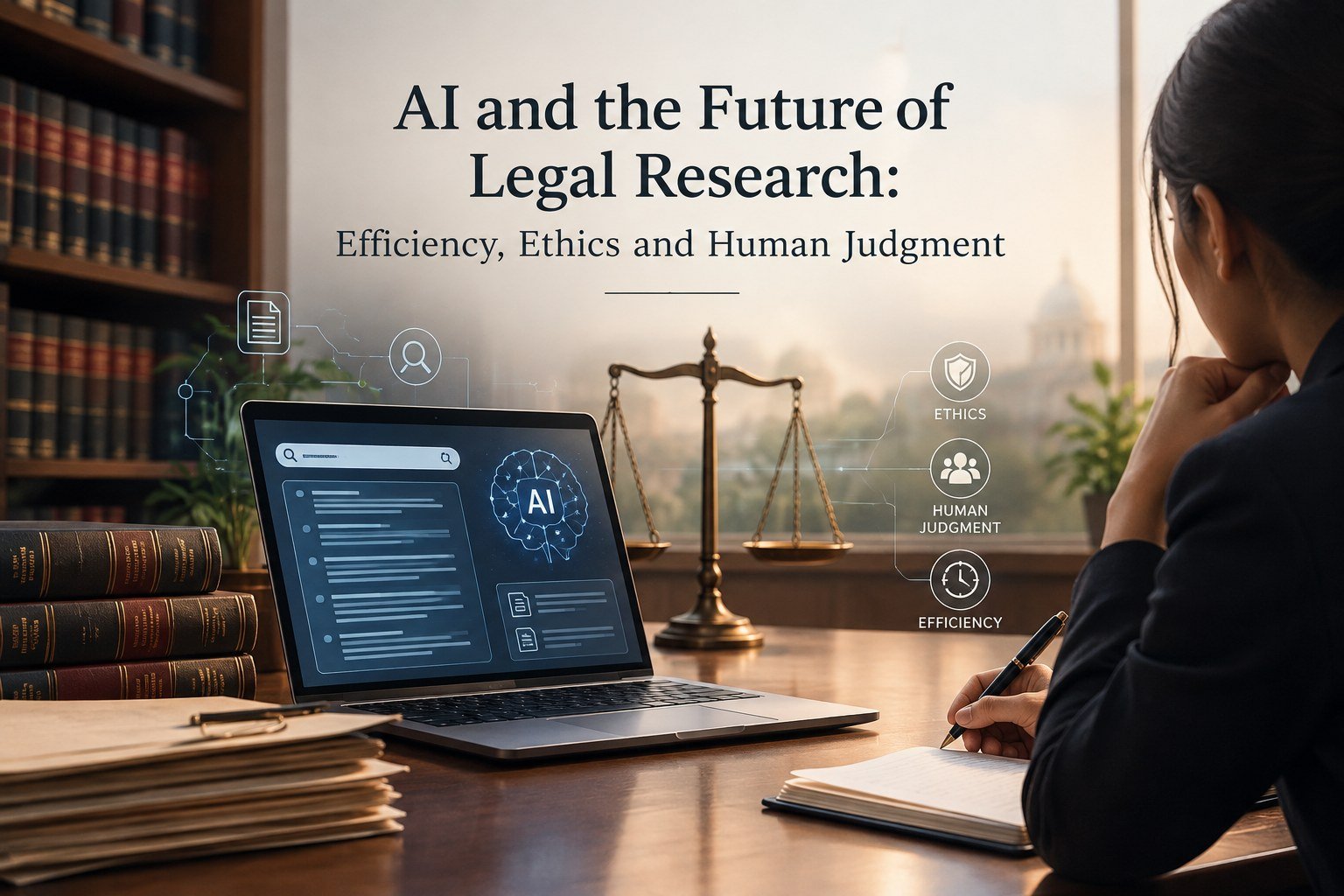
AI and the Future of Legal Researcph: Efficiency, Ethics and Human Judgment”
Introduction Today artificial intelligence holds the capability of easily processing large amounts of legal data and identifying and extracting important points of law in relation to particular cases within seconds which easily increase the efficiency and accuracy of legal research and enable legal professionals to generate quality work in a relatively shorter period. Lawyers analyse […]
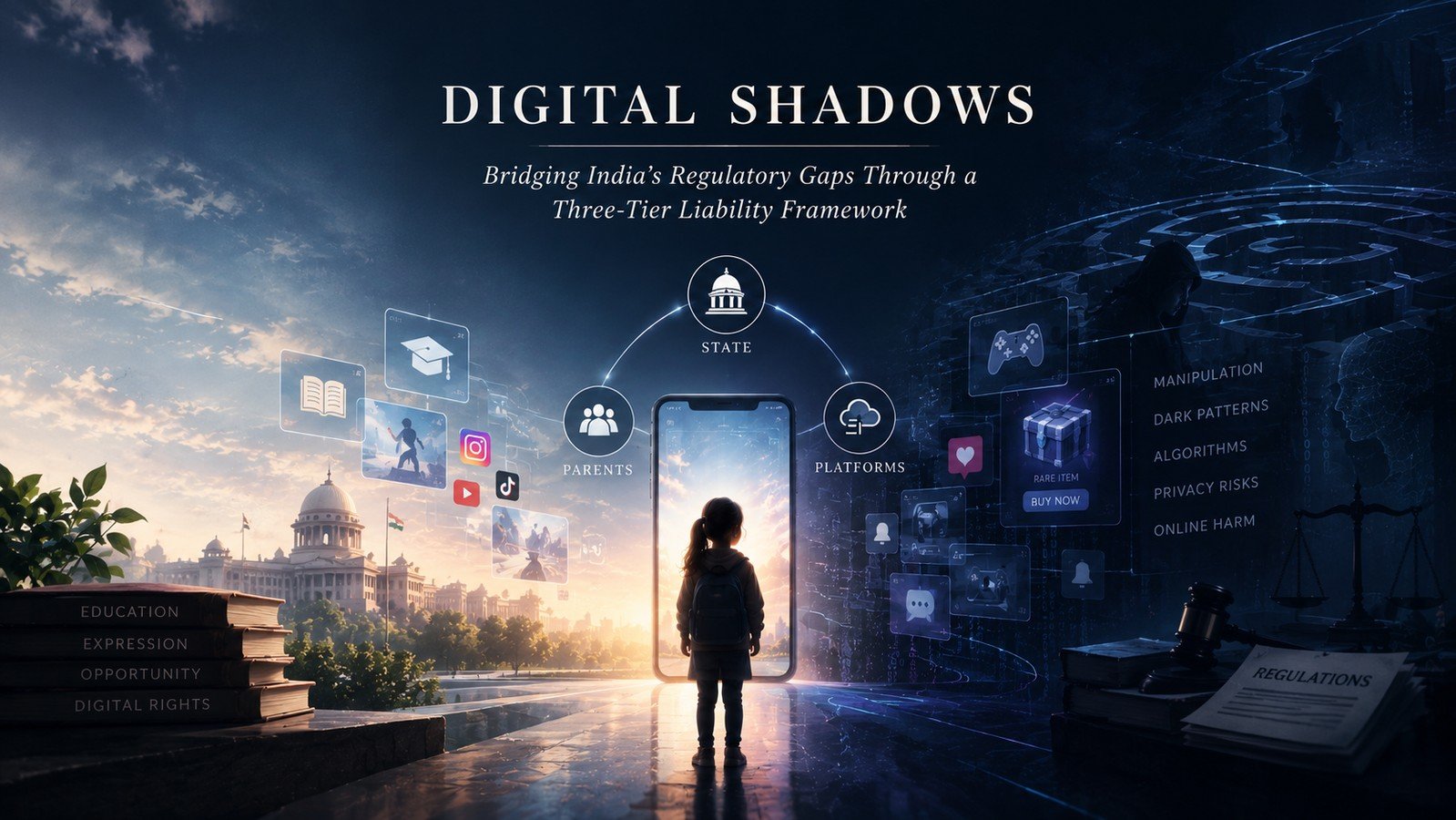
Digital Shadows: Bridging India’s Regulatory Gaps through a Three-Tier Liability Framework
Introduction Merely clicking ‘I consent’ without comprehension, while parents still struggle to unlock screens, is not a safeguard but rather a reflection of a generational gap in technological awareness.[1] Rapid digitalisation has fundamentally reshaped children’s interaction with virtual spaces, enabling new forms of expression and participation in the digital environment. Children have emerged as active […]
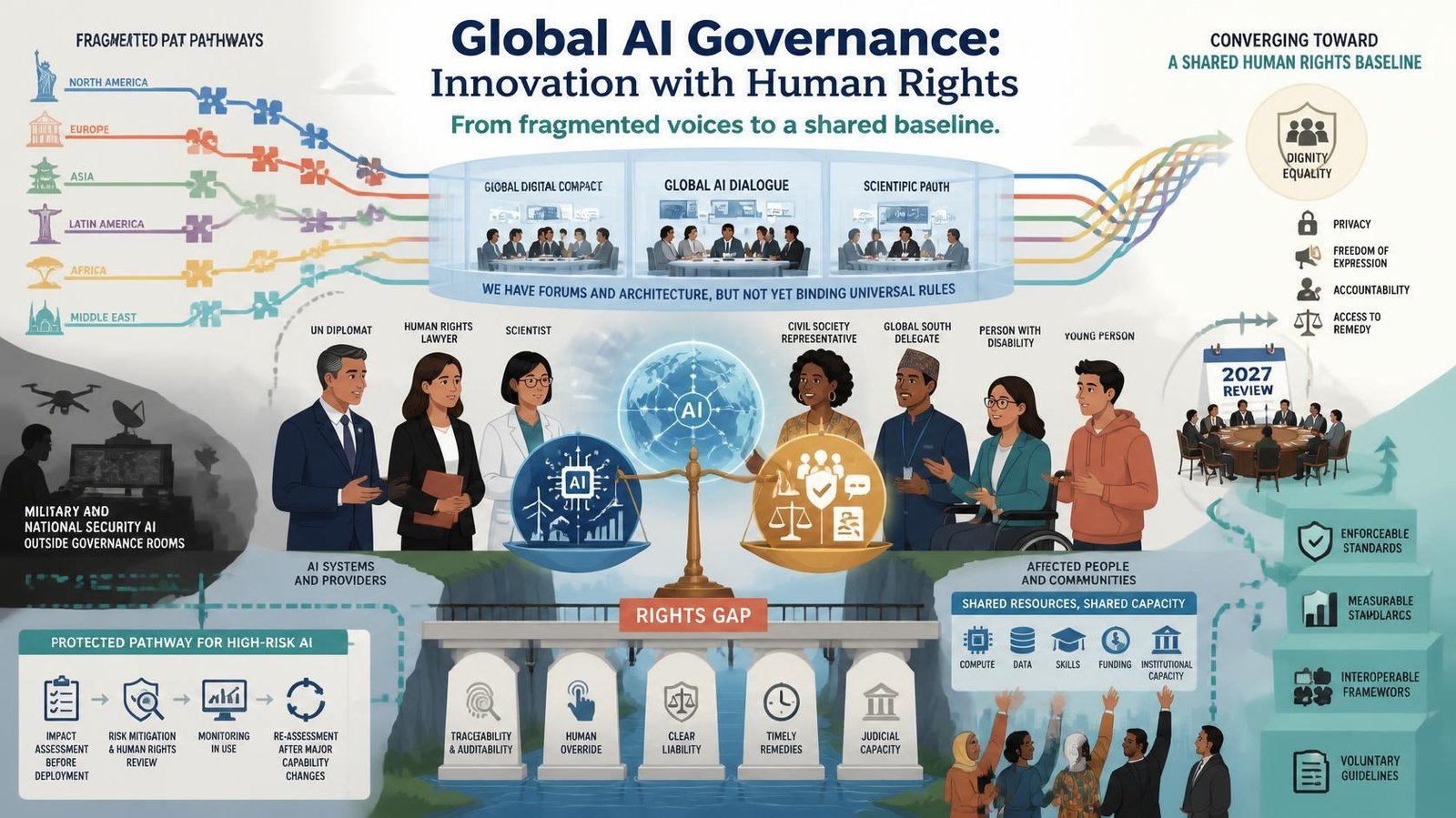
Governing Artificial Intelligence in the Age of Global Fragmentation: Can the United Nations Build a Human-Rights-Based Global AI Framework?
Introduction When the General Debate in the 81st session of the United Nations General Assembly closed on 28th September 2026, artificial intelligence (“AI”) had been raised by 128 delegations, up from only five delegations four years ago. That is more than the number for climate change or human rights. The same week showcased a fragmentation: […]

The weaponization of the seabed: Why UNCLOS fails to protect subsea data cables in modern hybrid warfare
The Physical Reality of the Internet People assume the internet is some ethereal cloud. It isn’t. The global internet is a highly fragile physical nervous system lying exposed on the bottom of the ocean. Roughly 99 percent of all transoceanic digital data – powering trillions of dollars in high-frequency trading, sensitive diplomatic cables, and civilian […]

Soft Constitutionalism and Algorithmic Statehood: How India’s AI Governance Guidelines (2025) Institutionalise Executive Power Beyond Legislative Authorisation
The Government of India has come up with AI Governance Guidelines (2025) as non-binding policy guidance. This paper proposes to give them more than advisory significance and to make them increasingly significant in the institutional conduct of institutions and in their governance. It analyses the constitutional implications of this change and the issues it raises […]
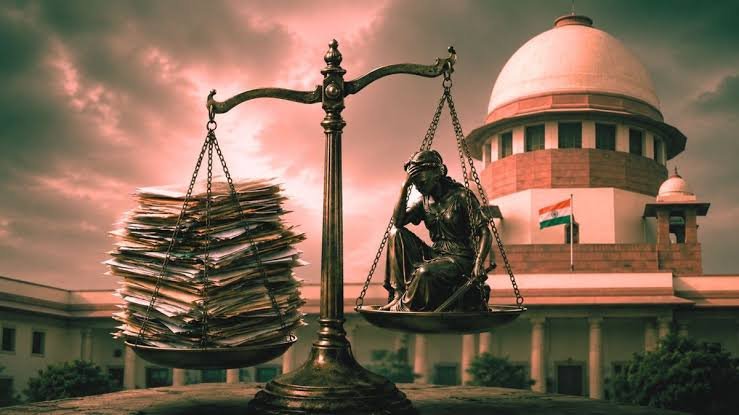
No Double Counting, No Early Remission: Supreme Court on Abu Salem’s Plea
CASE COMMENT Citation: Abu Salem Abdul Qayoom Ansari vs State of Maharashtra & Ors., Supreme Court of India, Decided on 10th September 2026, Coram: Justice Vikram Nath & Justice Sandeep Mehta 1. Facts The petitioner was extradited from Portugal on 11.11.2005 pursuant to a sovereign assurance dated 17.12.2002 that he would not be awarded the death […]

AI-Generated Art and Copyright in India: Who Owns the Machine’s Creation?
Introduction Artificial Intelligence is now more than just a means of analysing data; it is creating paintings, music, and literature. Tools like Midjourney and DALL-E allow anyone to generate art within seconds. This raises a fundamental legal question in India: can AI-generated art be copyrighted? And if so, who will be recognised as the author […]
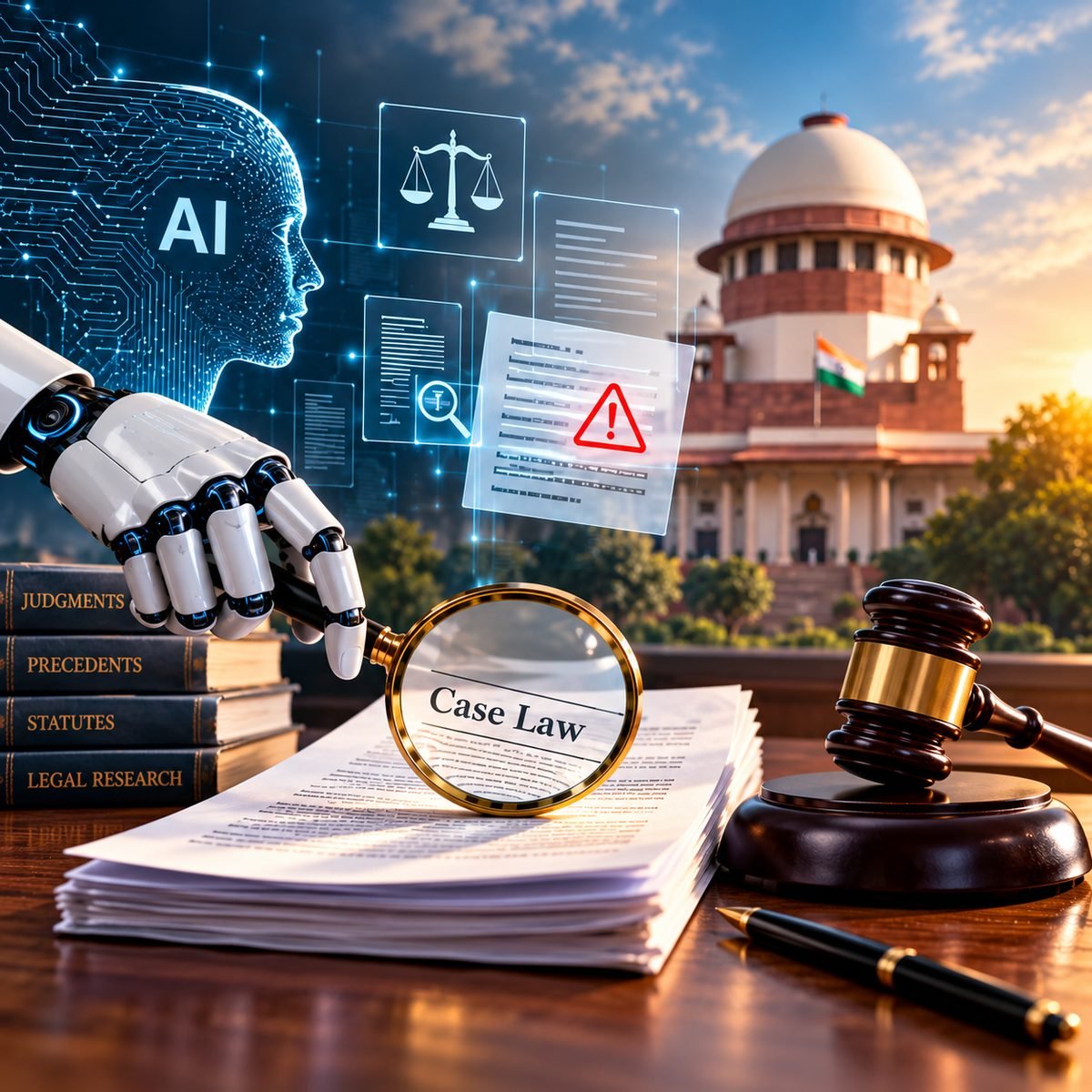
The Citation That Never Existed: AI, Courts and the Human Duty to Verify
Artificial intelligence has entered legal practice quietly. Lawyers use it to locate authorities, summarise pleadings, compare statutes and prepare first drafts. Courts, too, are examining how AI can assist research and case management. The difficult question is no longer whether AI will enter the justice system. It already has. The question is what happens when […]
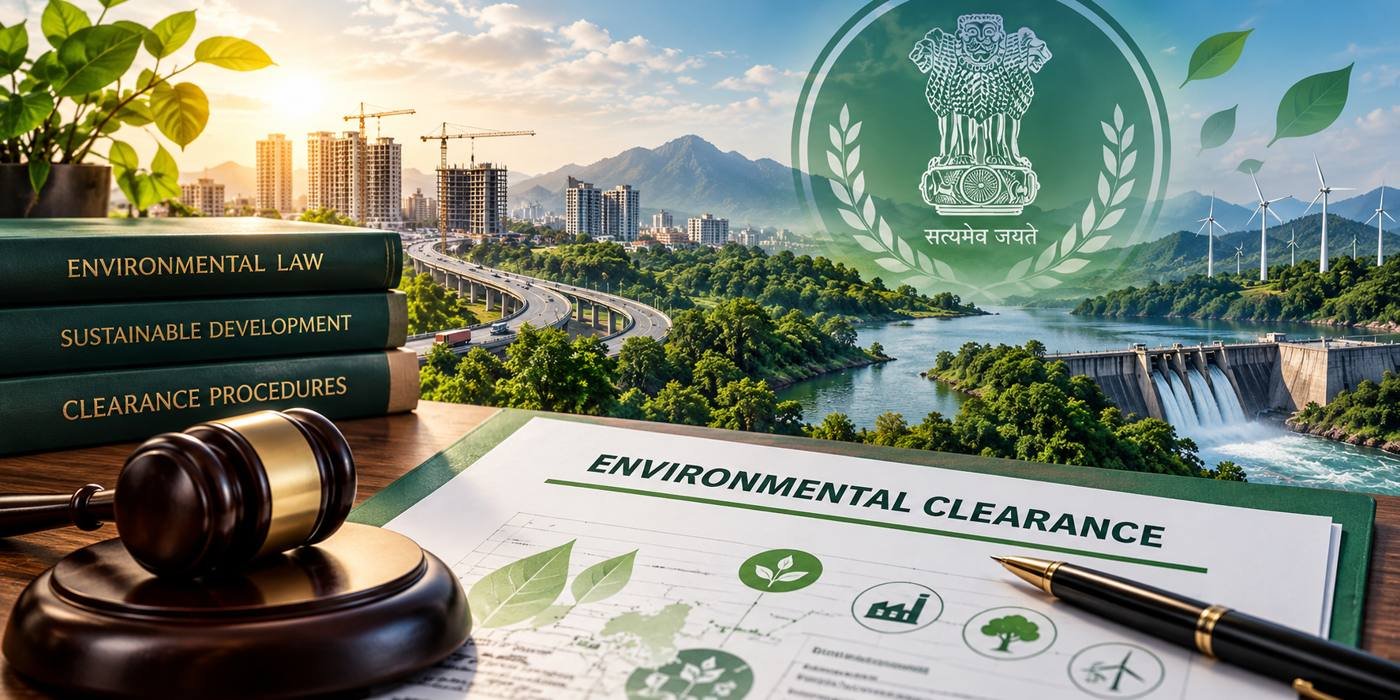
Keeping the Exception Exceptional: Statutory Post-Facto Clearance After Vanashakti
I. Introduction In Common Cause v. Union of India and Alembic Pharmaceuticals Ltd. v. Rohit Prajapati, the Supreme Court held that the grant of post-facto clearance is essentially in conflict with the preventive approach. But, in Vanashakti v. Union of India, 2026 INSC 761, this position is qualified. The Court ruled that the open-ended regularisation […]